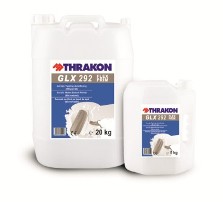
Acrylic primer - High penetration
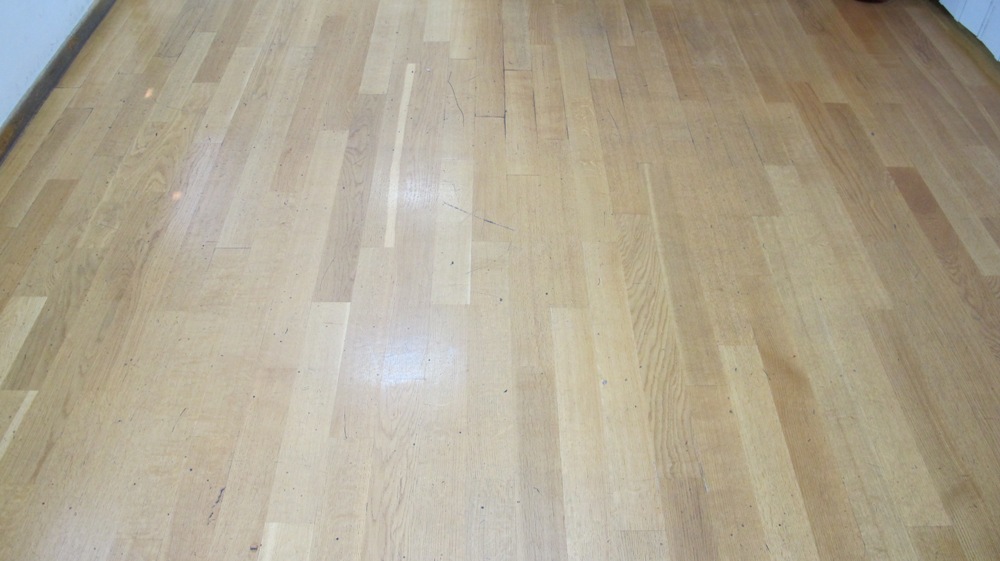
What do we need?
Frequently, in renovations, existing wooden floor could be removed and replaced with ceramic tiles.
How do we do it?
NSF 610 is ideal for preparation of substrates before tile application. For bigger thickness applications use of NSF 611 (1 – 4 cm) is suggested.
ADVANTAGES: High Mechanical Strength – High Flexibility
Products used
GLX 292 FLEX PRIM
NSD 620
NSF 610
NSF 611
VKW 129
Step by step
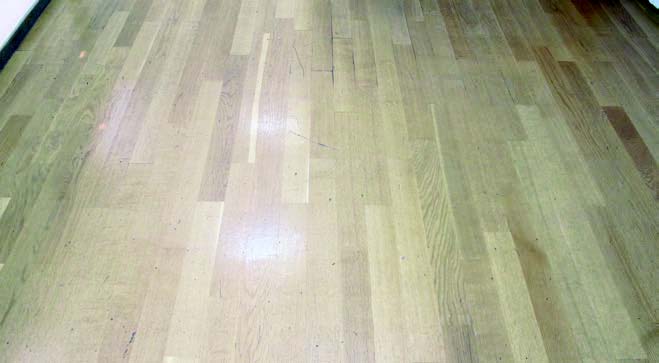
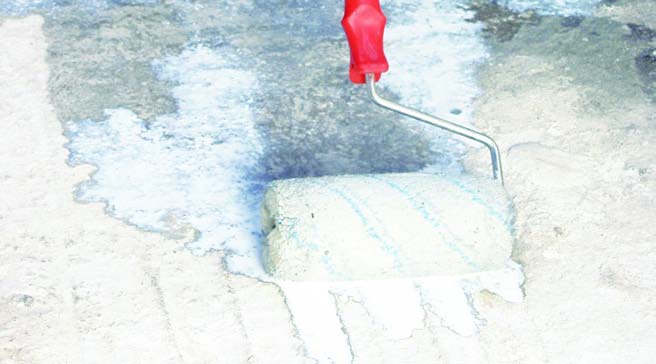
STEP 1: Remove wooden floor and clean thoroughly from dust and other particles
STEP 2: Application of GLX 292 FLEX PRIM, deep penetration primer, on concrete surface
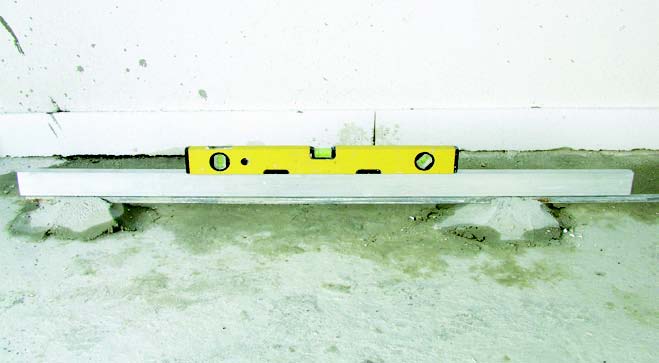
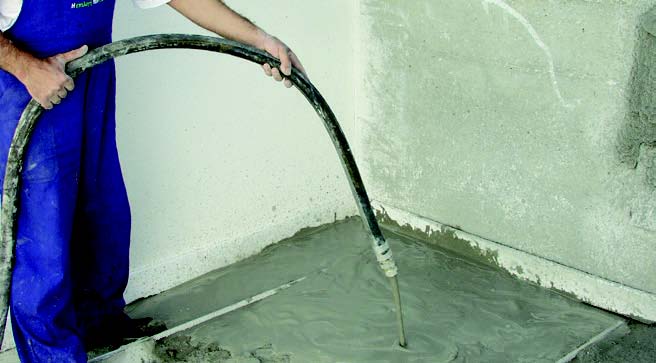
STEP 3: Leveling is needed in order to determine maximum thickness of application, while following the necessary guides
STEP 4: Application of lightweight flooring screed NSD 620, which can be applied at a maximum thickness of 30 cm (wet-on-wet, 10 cm per layer)
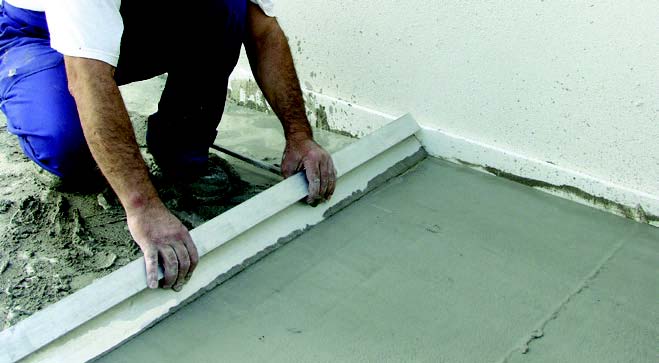
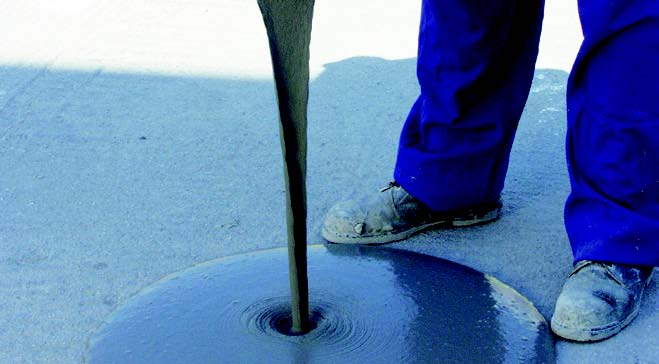
STEP 5: Apply lightweight, thermal insulating floor screed NSD 620 before it gets dried
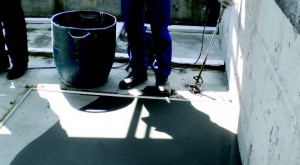
STEP 6: When NSD 620 has dried, proceed with the application of self-leveling screed NSF 610 (up to 10 mm)
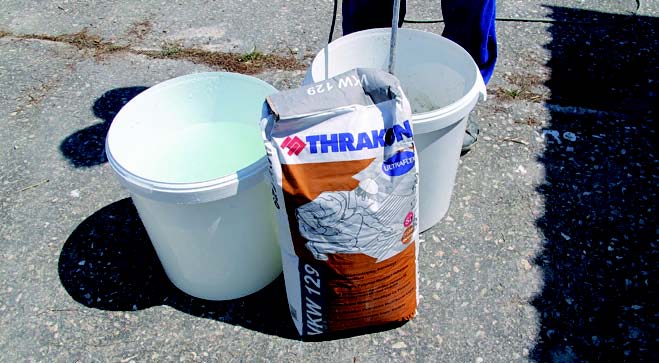
Spiky roll is used for removing bubbles which might be created during application of self-leveling screeds. Then, proceed with tile application. We recommend the one-component, super-elastic tile adhesive (S2), VKW 129, which is ideal for demanding applications, like areas with permanent moisture content and heavy expansions and contractions.
Product Categories : Chapes Tile Adhesives & Grouts
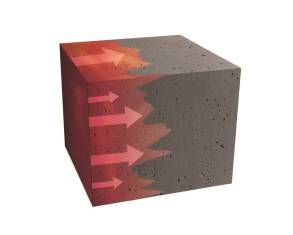
Acrylic primer - High penetration
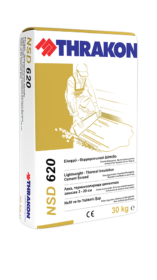
Lightweight and thermal insulating floor screed
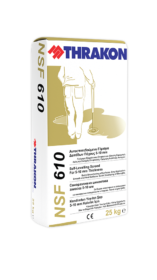
Self leveling floor screed up to 10 mm
Self leveling floor screed 1-4 cm
Super Elastic Tile Adhesive